
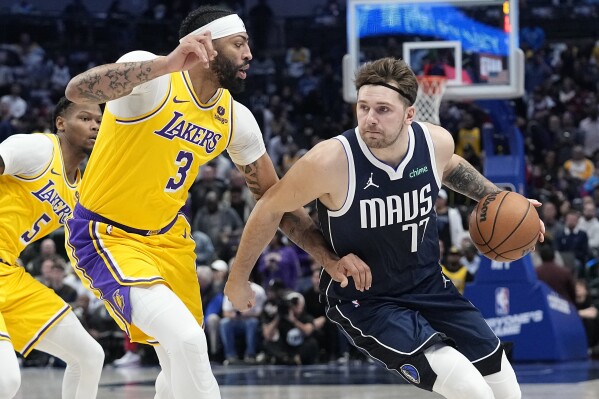
Just when you thought the NBA offseason couldn’t get any wilder, the Dallas Mavericks sent shockwaves through the league by trading Luka Dončić to the Los Angeles Lakers for Anthony Davis. This move blindsided not just fans, but Dončić and Davis themselves. Dončić’s father was vocal about his disappointment, stating that his son “didn’t deserve this.” During his introductory Lakers press conference, a reporter asked Luka about rumors that Dallas moved him because they didn’t believe he would sign a five-year, $346 million supermax extension this summer, but before the question was even finished, Dončić was already shaking his head in disbelief, his expression one of betrayal—indicating that he fully intended to stay in Dallas long-term.
This trade seemed to come out of nowhere, stunning not just the fan base, but NBA players as well. Footage of Kevin Durant and Devin Booker reacting in real-time showed them visibly shocked, and stars like LeBron James and Joel Embiid took to social media to express their disbelief. In a league where unexpected trades happen frequently, this one still felt like a gut punch.
The Harsh Reality of the Business Side of Sports
While we often romanticize sports as a game of passion and loyalty, transactions like this serve as a brutal reminder that, at the end of the day, professional sports is a business. Teams prioritize long-term financial flexibility and roster construction over individual players’ feelings, even when dealing with franchise cornerstones.

Luka’s trade echoes other painful departures that rocked the sports world. For example, after leading the Atlanta Braves to a 2021 World Series title, Freddie Freeman expected to be a Brave for life. However, contract negotiations stalled, and he ultimately signed with the Los Angeles Dodgers. The move shocked many, including Bryce Harper and Anthony Rizzo, with Rizzo commenting, “If Freddie Freeman isn’t a Brave, there is no loyalty in this game.” Ironically, Rizzo himself experienced something similar when the Chicago Cubs, the team he helped break a 108-year championship drought in 2016, traded him to the Yankees in 2021.
Another classic example is DeMar DeRozan’s unceremonious exit from Toronto. After spending nine seasons with the Raptors, making them a perennial playoff team and winning over the fan base, DeRozan was blindsided by a trade to the San Antonio Spurs in 2018. The Raptors landed Kawhi Leonard in the deal, which ultimately led them to their first-ever NBA championship in 2019. While the trade worked out for Toronto, DeRozan’s heartbreak over the move became a cautionary tale about the cold, calculated nature of NBA front offices.
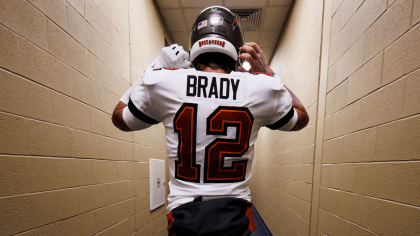
Then there’s Tom Brady’s shocking departure from the New England Patriots in 2020. Despite winning six Super Bowls and cementing his place as the greatest quarterback in NFL history, Brady and the Patriots couldn’t come to terms on a new contract. He left for Tampa Bay, promptly won another Super Bowl, and proved that even legends aren’t immune to the business of sports.
Luka’s Financial Fallout
Adding insult to injury, Dončić’s trade to the Lakers is set to cost him $117 million. While he was eligible to sign a five-year, $346 million supermax extension with Dallas, the most he can get in Los Angeles is $229 million due to the NBA’s salary cap rules. That’s a staggering amount of money left on the table, further emphasizing the unexpected nature of the trade. In a world where many professional athletes are concerned about lifelong security and generational wealth, the money left on the table is especially significant for Dončić, who has admitted that he doesn’t plan to play as long as other superstar like LeBron or Durant. Luka’s got to make as much money as he can right now – a sentiment that looms even larger after this trade.
Conclusion: Loyalty vs. Business
Trades like Luka Dončić for Anthony Davis remind us that no player is truly untouchable. No matter how much a player has given to a franchise, loyalty often takes a backseat to long-term planning and financial maneuvering. It’s an unfortunate reality that fans, and especially players, must come to terms with.
In the end, Luka may thrive in Los Angeles, and Dallas may feel this was the right move for their future—but for now, the NBA world is left reeling from one of the most shocking trades in recent memory.
 Empire Sports Talk
Leave a comment